Why do timestamped move-in photos protect landlords during security deposit disputes?
Dated evidence turns a he-said argument into a clear record both sides can see.
Timestamped move-in photos prove the unit's condition on a specific date, turning a he-said argument into a clear record both sides can see. When move-out damage appears, the dated baseline removes doubt about when the photo was taken and helps settle deposits fairly. This is general guidance, and rules vary by state.
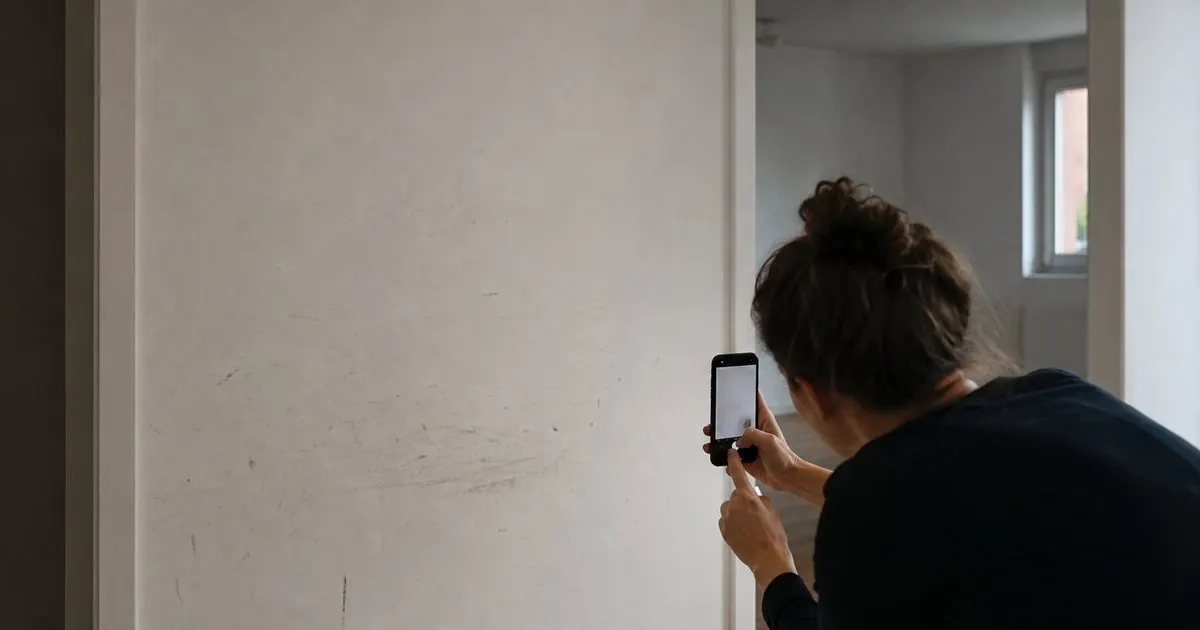
Disputes come down to proof
When a deposit disagreement arises, it usually hinges on one question: was the damage there before the tenant moved in? Without evidence, that becomes one person's word against another. Related: How should landlords document rental condition room by room before a tenant moves in?
A timestamped photo answers the question directly. It shows the condition of a room on a specific date, which is far stronger than a memory or a general claim.
Keep reading: How should landlords document rental condition room by room before a tenant moves in?, What should a move-out inspection checklist include for a typical rental apartment?, When is the best time to complete a move-in inspection with your tenant?. See how MoveInSnap helps you move-in and move-out inspection photo logs.
Why the date matters
A photo with no date can be argued away. A tenant might claim it was taken after they left, or a landlord might claim the opposite. Related: What should a landlord do when a tenant refuses to sign the move-in inspection report?
A reliable timestamp removes that ambiguity. When both the move-in and move-out photos carry dates, the timeline speaks for itself. Related: How do landlords compare move-in and move-out photos to prove real damage?
Organized beats scattered
Loose photos in a camera roll are hard to find and easy to challenge. Evidence works best when it is organized by room and by inspection.
A structured set lets you point to the exact before and after for a specific space, which is far more persuasive than scrolling through hundreds of unsorted images.
Fairness for both sides
Good documentation protects tenants too. If a unit was genuinely in good shape at move-out, the photos back that up and support a full refund. Related: Should tenants be present during the move-in and move-out inspection walkthrough?
This fairness is the point. Clear evidence is not about winning arguments, it is about resolving them quickly and honestly. Note that deposit rules vary by state and this is general information, not legal advice.
- Disputes hinge on proof of prior condition
- Timestamps remove doubt about when photos were taken
- Organized photos beat a scattered camera roll
- Clear evidence protects tenants and landlords alike

Julien Jimenez
Julien Jimenez is an independent software builder based in Paris. He designs, ships, and operates focused SaaS products for small businesses and independent professionals. Read the full author page.
Frequently asked questions
Do timestamps make photos more credible in a dispute?
Yes. A verifiable date shows the condition existed before the tenancy, which is far harder to challenge than an undated image that could have been taken at any time.
Are timestamped photos useful even without a formal dispute?
Definitely. A clear dated record helps both sides agree quickly on what is fair, often resolving deposit questions before they ever escalate into a formal argument.
Prove condition with dated photos
Move-in and move-out inspection photo logs. MoveInSnap is built to help you put this into practice.
Start freeMore from the MoveInSnap blog
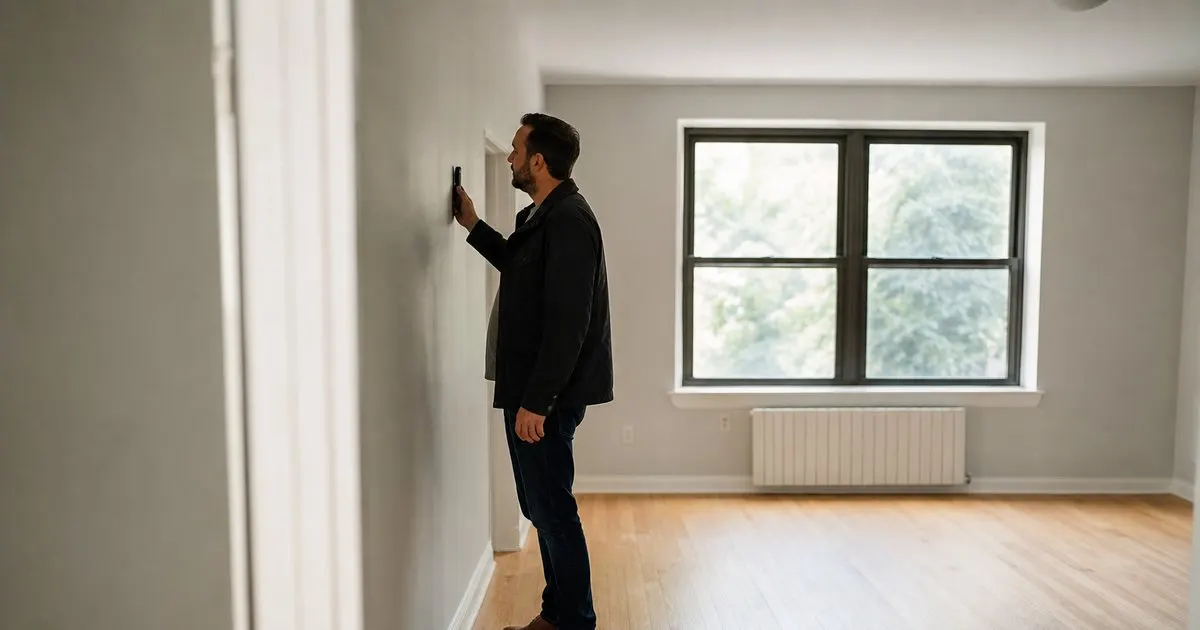
How should landlords document rental condition room by room before a tenant moves in?

What should a move-out inspection checklist include for a typical rental apartment?

When is the best time to complete a move-in inspection with your tenant?
Get the MoveInSnap playbook
Practical guides on move-in and move-out inspections, straight to your inbox as we publish them. No spam, unsubscribe any time.