Should tenants be present during the move-in and move-out inspection walkthrough?
A shared walkthrough builds trust and heads off deposit arguments later.
Whenever possible, yes. A shared walkthrough builds transparency and trust. At move-in, agreeing on the baseline together heads off later disputes, and at move-out, reviewing condition in real time reduces surprises about deductions. If a tenant cannot attend, document the unit thoroughly and share the record with them promptly.
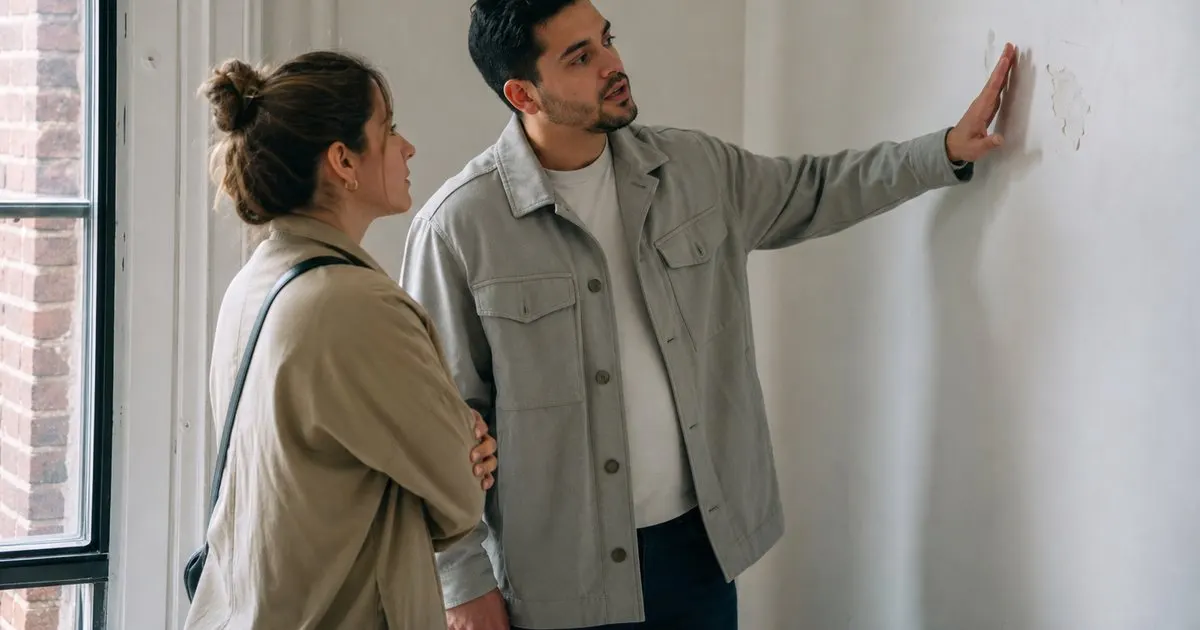
The case for including tenants
Inviting the tenant to the walkthrough turns inspection into a shared, transparent process. They see exactly what you record and can raise concerns on the spot.
That transparency pays off at move-out. A tenant who agreed to the starting condition has little ground to dispute it later. Related: How should landlords document rental condition room by room before a tenant moves in?
Keep reading: Why do timestamped move-in photos protect landlords during security deposit disputes?, How should landlords document rental condition room by room before a tenant moves in?, What should a move-out inspection checklist include for a typical rental apartment?. See how MoveInSnap helps you move-in and move-out inspection photo logs.
Move-in benefits
At move-in, a joint walkthrough lets the tenant point out issues you might miss and confirms the baseline together. It starts the relationship on a note of fairness. Related: When is the best time to complete a move-in inspection with your tenant?
Giving the tenant a chance to add notes within a few days reinforces that fairness and creates a record both sides accept.
Move-out benefits
At move-out, a shared walkthrough lets the tenant see any damage in real time. They can explain, agree, or address minor issues before you finalize deductions. Related: How do landlords compare move-in and move-out photos to prove real damage?
This often prevents surprise disputes. A deduction the tenant witnessed is far easier to accept than one that appears later on a statement.
When it is not possible
Sometimes a tenant cannot or will not attend. In that case, thorough timestamped photos and a copy of the report sent to the tenant carry the record. Related: Why do timestamped move-in photos protect landlords during security deposit disputes?
Document either way. Whether or not the tenant attends, an organized inspection protects both parties. Note that deposit rules vary by state, so this is general guidance, not legal advice.
- A shared walkthrough builds transparency
- Move-in agreement prevents later disputes
- Real-time move-out review reduces surprises
- If a tenant cannot attend, document thoroughly and share it

Julien Jimenez
Julien Jimenez is an independent software builder based in Paris. He designs, ships, and operates focused SaaS products for small businesses and independent professionals. Read the full author page.
Frequently asked questions
What if a tenant cannot attend the walkthrough?
Proceed and document the unit thoroughly with photos and notes, then send the tenant the record and invite comments. Their absence should not stop you from capturing a clear baseline.
Does a shared walkthrough really prevent disputes?
Often, yes. When both sides agree on condition in person, there is far less to argue about later, and the tenant is less likely to be surprised by a move-out deduction.
Prove condition with dated photos
Move-in and move-out inspection photo logs. MoveInSnap is built to help you put this into practice.
Start freeMore from the MoveInSnap blog
Why do timestamped move-in photos protect landlords during security deposit disputes?
How should landlords document rental condition room by room before a tenant moves in?
What should a move-out inspection checklist include for a typical rental apartment?
Get the MoveInSnap playbook
Practical guides on move-in and move-out inspections, straight to your inbox as we publish them. No spam, unsubscribe any time.