What should a landlord do when a tenant refuses to sign the move-in inspection report?
A refusal to sign is not the end of your documentation. Here is how to keep the record valid, note the refusal properly, and avoid turning a small disagreement into a deposit dispute.

Find out why the tenant will not sign before you do anything else
Most refusals are not about the inspection at all. Tenants often assume that signing means they accept responsibility for every scratch listed, or that they are giving up the right to add items later. Others simply do not want to sign anything on a hectic moving day when they have not had time to read it. Ask a plain question: is there something on the report you disagree with, or do you just want time to review it? The answer decides your next step.
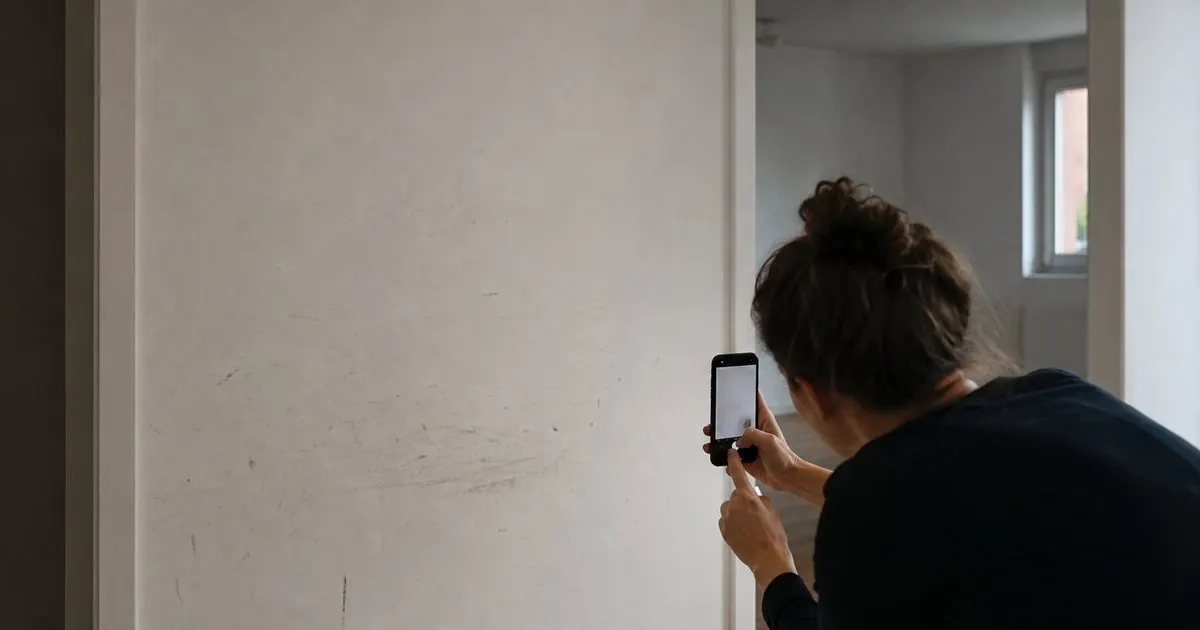
If the objection is about specific items, treat it as useful information. A tenant who says the carpet stain in the bedroom is bigger than the report describes is helping you build a more accurate record, not obstructing you. Walk back to the room together, photograph the item again with the tenant nearby, and update the description. Most refusals dissolve once the tenant sees that the report can change to reflect what is actually there.
Keep reading: Why do timestamped move-in photos protect landlords during security deposit disputes?, How should landlords document rental condition room by room before a tenant moves in?, What should a move-out inspection checklist include for a typical rental apartment?. See how MoveInSnap helps you move-in and move-out inspection photo logs.
Note the refusal on the report itself and keep the record moving
When a tenant still will not sign, write a short neutral statement on the signature line: the date, the time, the fact that the tenant was present for the walkthrough (if they were), and that they declined to sign. Sign it yourself and, if anyone else was there, have them sign as a witness. Do not editorialize. A line that reads "tenant refused to sign, was argumentative" reads badly in front of a judge or mediator, while "tenant reviewed the report and declined to sign on 2026-09-07 at 2:15 p.m." reads as a professional doing their job. Related: When is the best time to complete a move-in inspection with your tenant?
Then deliver a copy anyway. Email the full report with every photo attached or linked, and send a paper copy if your lease or state law calls for it. The email creates a timestamped record that the tenant received the document, which matters far more than a signature does. In a dispute, the question is rarely whether the tenant signed. It is whether the tenant had the condition record early enough to object, and whether your photos support what the report says. Related: How should landlords document rental condition room by room before a tenant moves in?
Give the tenant a clear window to add their own notes
Many state statutes and most well-drafted leases give tenants a set number of days after move-in to report existing damage the landlord missed. Even where the law is silent, offering a window of roughly a week is good practice and it removes the tenant's main reason for refusing. Say it explicitly in the cover email: you have until this date to send us anything we missed, with photos, and we will attach it to the report. Related: How do landlords compare move-in and move-out photos to prove real damage?
Whatever the tenant sends, attach it without argument, even if you think an item is trivial. A tenant-submitted photo of a chipped tile that you disagree about costs you nothing today. Refusing to add it, on the other hand, gives the tenant a story at move-out about a landlord who would not record existing damage. If the tenant sends nothing during the window, note that too, because silence after a clear invitation is strong evidence that the report was accurate.
Why the photos matter more than the signature
A signed report without photos is a list of adjectives. "Good condition" means different things to different people, and a signature does not settle what the carpet looked like. A photo log with timestamps, room labels, and close-ups of every noted defect settles it, whether or not anyone signed. This is why we built MoveInSnap around the photo log rather than the signature page: the images are the evidence, and the report is just the index.
If you end up in small claims court over deductions, the judge will want to see move-in and move-out images of the same spot side by side. An unsigned report backed by two hundred timestamped photos will almost always beat a signed report backed by none. Put your effort into the photos, note the refusal calmly, deliver the copy, offer the window, and move on. The refusal will rarely matter again. Related: Why do timestamped move-in photos protect landlords during security deposit disputes?
- Ask why the tenant will not sign; most refusals come from misunderstanding what a signature means.
- Note the refusal neutrally on the report, sign it yourself, and add a witness if one is present.
- Email the full report and photos so a timestamped delivery record exists regardless of the signature.
- Offer a written window for the tenant to add items, and attach whatever they send without argument.

Julien Jimenez
Julien Jimenez is an independent software builder based in Paris. He designs, ships, and operates focused SaaS products for small businesses and independent professionals. Read the full author page.
Prove condition with dated photos
Move-in and move-out inspection photo logs. MoveInSnap is built to help you put this into practice.
Start freeMore from the MoveInSnap blog
Why do timestamped move-in photos protect landlords during security deposit disputes?
How should landlords document rental condition room by room before a tenant moves in?

What should a move-out inspection checklist include for a typical rental apartment?
Get the MoveInSnap playbook
Practical guides on move-in and move-out inspections, straight to your inbox as we publish them. No spam, unsubscribe any time.