When is the best time to complete a move-in inspection with your tenant?
Timing the walkthrough right sets a fair baseline and starts the tenancy on trust.
Inspect after the unit is cleaned but before the tenant moves any belongings in, ideally on the same day you hand over the keys. Walk through with the tenant present so you agree on the baseline together, then give them a copy to review. That timing sets a fair, shared starting point.

Before the tenant moves belongings
The ideal time is after cleaning is done but before the tenant brings in furniture. An empty unit lets you photograph every surface without boxes in the way. Related: How should landlords document rental condition room by room before a tenant moves in?
Once belongings arrive, marks get hidden and the baseline becomes murky. An empty walkthrough captures the truest starting condition.
Keep reading: Why do timestamped move-in photos protect landlords during security deposit disputes?, How should landlords document rental condition room by room before a tenant moves in?, What should a move-out inspection checklist include for a typical rental apartment?. See how MoveInSnap helps you move-in and move-out inspection photo logs.
Do it with the tenant present
Walking the unit together builds trust. The tenant sees exactly what you are documenting and can point out anything they notice.
Shared observation reduces future disputes. When both parties agree on the starting condition, move-out becomes far less contentious. Related: Why do timestamped move-in photos protect landlords during security deposit disputes?
Same day as key handover
Aligning the inspection with the key handover keeps the timeline clean. The condition you record is the condition on the day the tenant takes possession.
This also fits naturally into move-in day. The tenant is already there, so the walkthrough adds only a short, worthwhile step. Related: Should tenants be present during the move-in and move-out inspection walkthrough?
Give the tenant a copy
Share the completed inspection with the tenant, ideally with a chance to add their own notes within a few days. Transparency now prevents arguments later.
A shared baseline benefits everyone. It protects the tenant's deposit and protects you from claims that damage was pre-existing. Rules vary by state, so this is general guidance, not legal advice. Related: What is the difference between normal wear and tenant-caused damage in rentals?
- Inspect after cleaning but before furniture arrives
- Walk the unit with the tenant present
- Align the inspection with key handover
- Give the tenant a copy to review

Julien Jimenez
Julien Jimenez is an independent software builder based in Paris. He designs, ships, and operates focused SaaS products for small businesses and independent professionals. Read the full author page.
Frequently asked questions
Why inspect before the tenant brings in furniture?
An empty unit lets you photograph every surface clearly. Once belongings arrive, boxes and furniture hide walls and floors, leaving gaps in your baseline record.
Should the inspection line up with key handover?
Yes. Doing both on the same day means the documented condition matches the exact moment the tenant takes possession, leaving no unaccounted window where damage could occur.
Prove condition with dated photos
Move-in and move-out inspection photo logs. MoveInSnap is built to help you put this into practice.
Start freeMore from the MoveInSnap blog
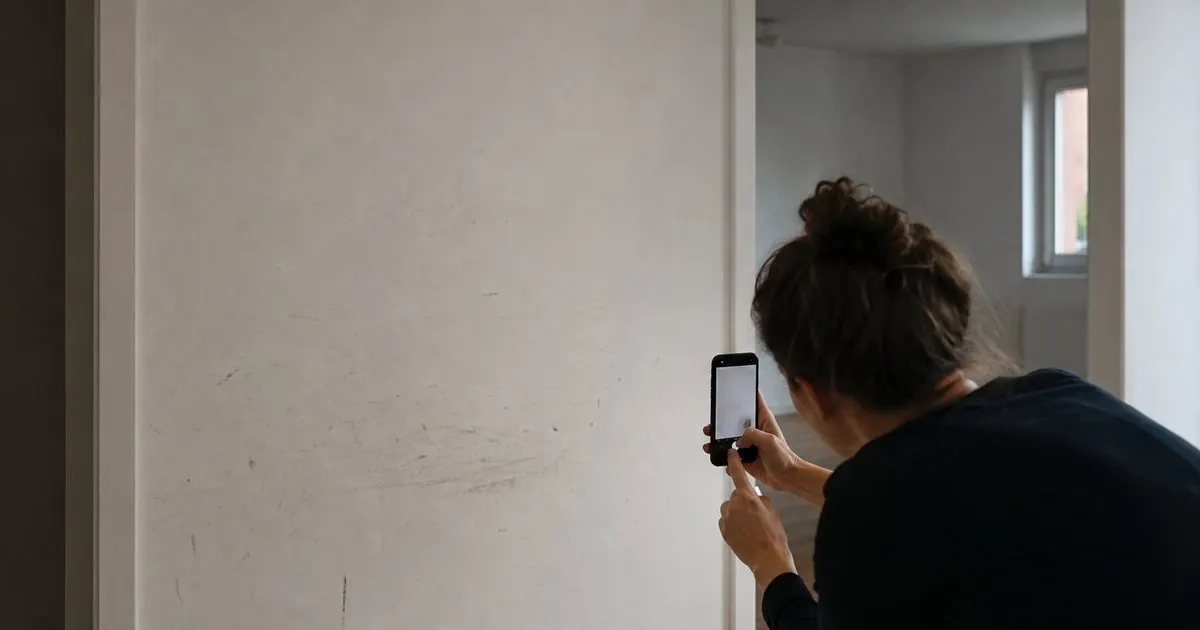
Why do timestamped move-in photos protect landlords during security deposit disputes?
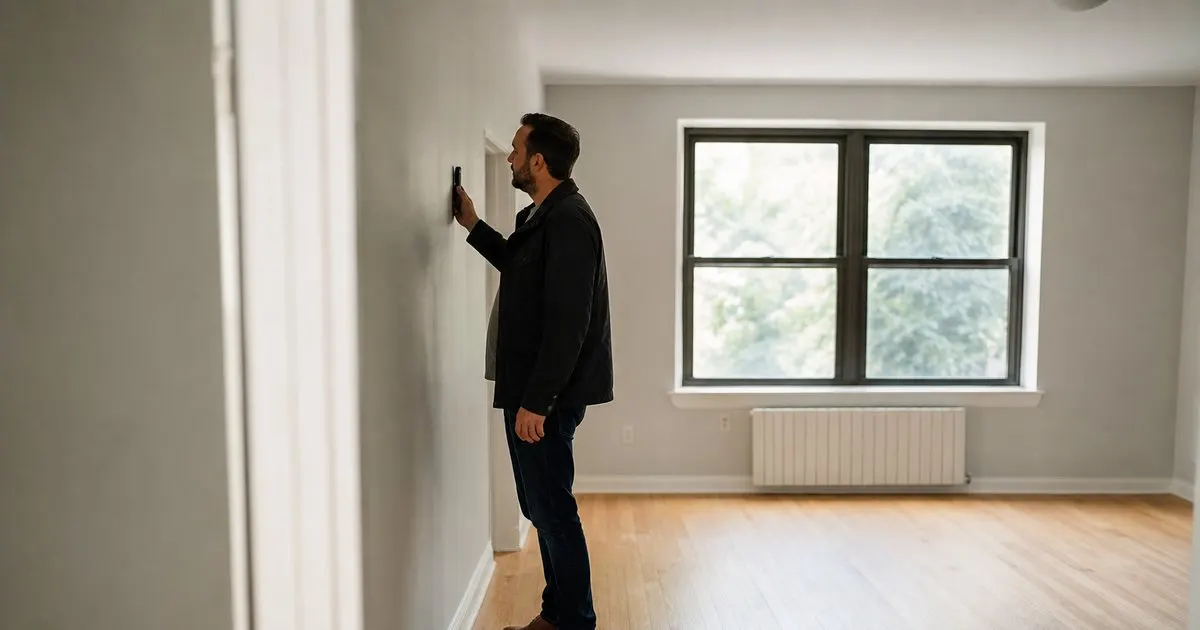
How should landlords document rental condition room by room before a tenant moves in?
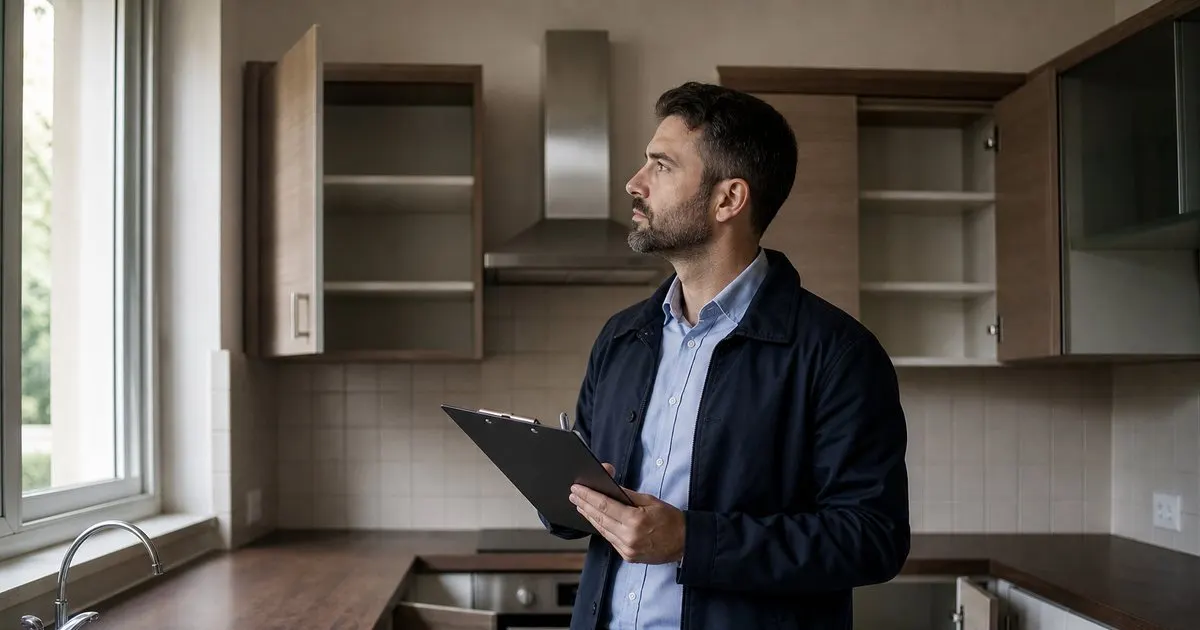
What should a move-out inspection checklist include for a typical rental apartment?
Get the MoveInSnap playbook
Practical guides on move-in and move-out inspections, straight to your inbox as we publish them. No spam, unsubscribe any time.