What is the difference between normal wear and tenant-caused damage in rentals?
Understanding the line keeps your deductions fair and defensible.
Normal wear is the gradual result of ordinary living, like faded paint or light carpet traffic, which a landlord cannot charge for. Damage goes beyond ordinary use, such as holes, burns, or stains from misuse or neglect. Gray areas call for photos and judgment, and definitions vary by state, so confirm local rules.
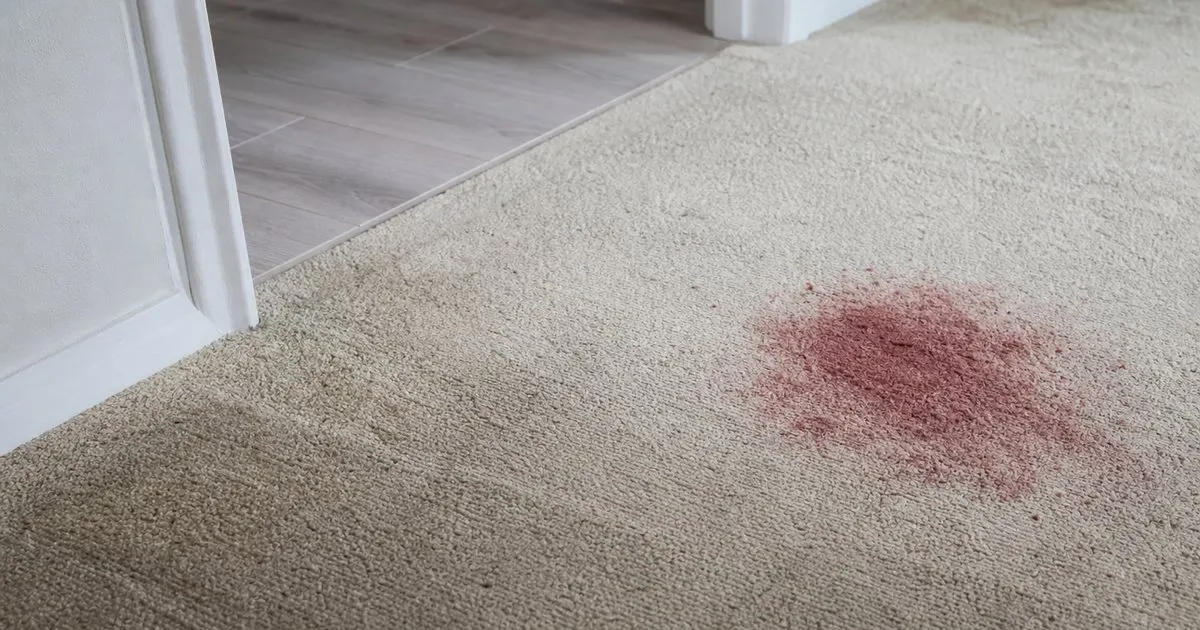
Wear is the cost of living there
Normal wear is the gradual decline that happens simply from a tenant living in the unit. Faded paint, lightly worn carpet, and minor scuffs fall into this bucket.
Landlords are generally expected to absorb ordinary wear. It is part of the cost of doing business and cannot fairly be charged to a tenant. Related: How should landlords document rental condition room by room before a tenant moves in?
Keep reading: Why do timestamped move-in photos protect landlords during security deposit disputes?, How should landlords document rental condition room by room before a tenant moves in?, What should a move-out inspection checklist include for a typical rental apartment?. See how MoveInSnap helps you move-in and move-out inspection photo logs.
Damage is beyond ordinary use
Damage goes further than everyday wear. Large holes, burns, broken fixtures, pet stains, and unapproved alterations are the tenant's responsibility.
The test is whether the condition resulted from negligence, misuse, or an accident rather than the passage of time under normal use.
Gray areas need judgment
Many cases sit in between. A few small nail holes are usually wear, but a wall covered in anchors may cross into damage.
This is where documentation matters most. Move-in and move-out photos help you and the tenant reach a fair read of an ambiguous situation. Related: Why do timestamped move-in photos protect landlords during security deposit disputes?
Rules vary by state
There is no single national definition. States and even local courts interpret wear and damage differently, and some set specific guidelines.
Because of that variation, treat this as general information rather than legal advice, and confirm the standards that apply where your property is located.
- Normal wear comes from ordinary living
- Damage results from misuse or negligence
- Gray areas call for photos and judgment
- Definitions vary by state, so confirm local rules

Julien Jimenez
Julien Jimenez is an independent software builder based in Paris. He designs, ships, and operates focused SaaS products for small businesses and independent professionals. Read the full author page.
Frequently asked questions
Who decides whether something is wear or damage?
The landlord makes the initial call, but a tenant can dispute it, and a court may weigh in if it escalates. Clear photos and reasonable judgment make your position defensible.
Is this classification the same in every state?
No. States define wear and allowable deductions differently, so what counts as chargeable damage can vary. Confirm your local rules, and treat this as general information rather than legal advice.
Prove condition with dated photos
Move-in and move-out inspection photo logs. MoveInSnap is built to help you put this into practice.
Start freeMore from the MoveInSnap blog
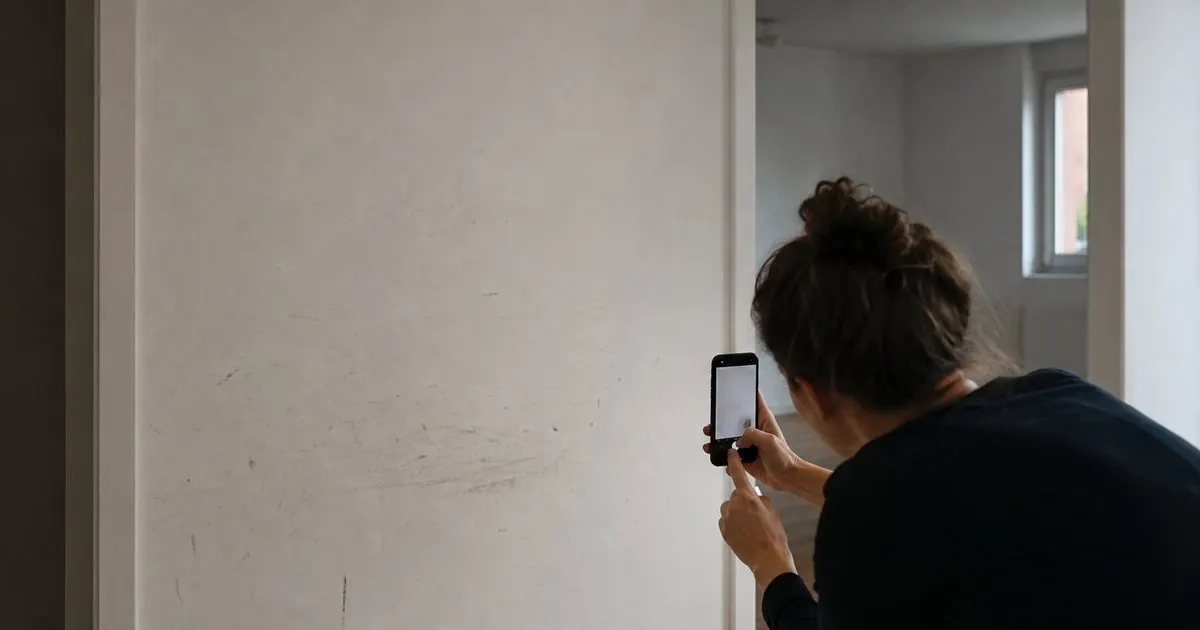
Why do timestamped move-in photos protect landlords during security deposit disputes?
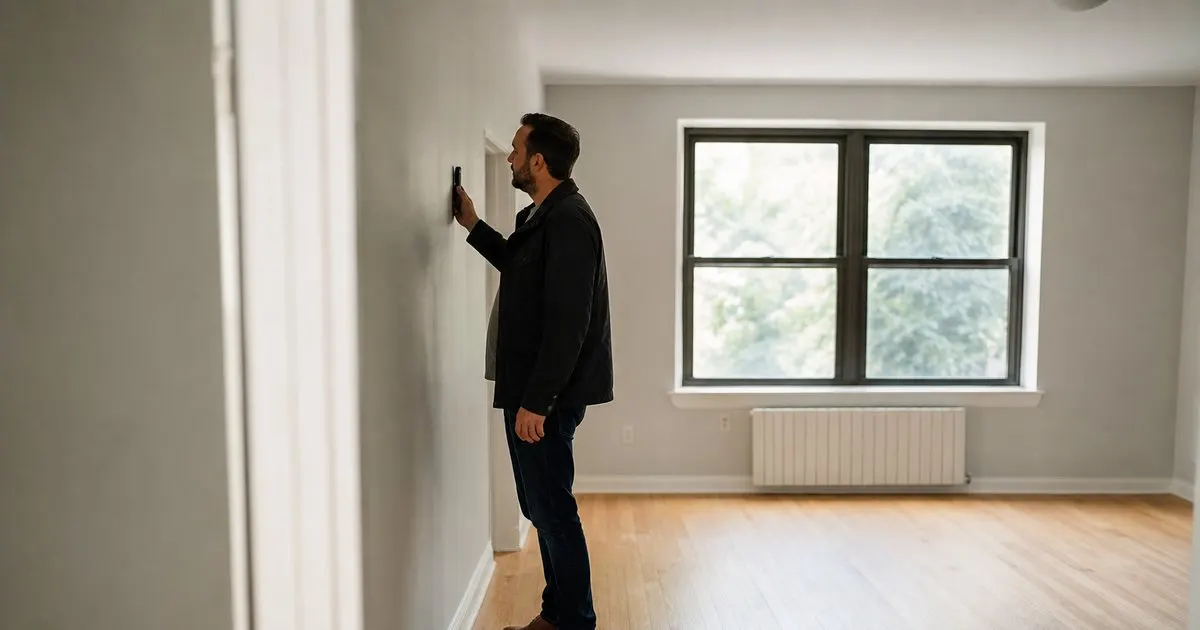
How should landlords document rental condition room by room before a tenant moves in?

What should a move-out inspection checklist include for a typical rental apartment?
Get the MoveInSnap playbook
Practical guides on move-in and move-out inspections, straight to your inbox as we publish them. No spam, unsubscribe any time.