Why does a pre-move-out walkthrough two weeks before lease end reduce deposit deductions?
An early walkthrough gives tenants a chance to fix what they can and gives you a preview of the turnover. Here is how to run one that shrinks disputes instead of starting them.

What a pre-move-out walkthrough is and what it is not
A pre-move-out walkthrough, sometimes called an initial inspection, is a visit while the tenant still lives in the unit, typically one to two weeks before the lease ends. The landlord and tenant walk through together, the landlord points out anything that would likely be deducted from the deposit if left as is, and the tenant gets a written list. It is not the final inspection, it does not set the deduction amounts, and it does not waive your right to deduct for damage found after the furniture is gone. Some states, California among them, require landlords to offer this visit; elsewhere it is simply smart practice. Related: Why do timestamped move-in photos protect landlords during security deposit disputes?
The reason it works is timing. At the final inspection the tenant has left, the unit is empty, and the only remaining tool is the deduction letter. Two weeks earlier, the tenant still has time, motivation, and access. A wall that needs patching, a stove that needs degreasing, a yard that needs mowing, or nail holes that need filling can be handled by the tenant for the cost of a Saturday. Handled by you after move-out, the same items become invoices, and invoices become disputes. Related: When is the best time to complete a move-in inspection with your tenant?
Keep reading: Why do timestamped move-in photos protect landlords during security deposit disputes?, How should landlords document rental condition room by room before a tenant moves in?, What should a move-out inspection checklist include for a typical rental apartment?. See how MoveInSnap helps you move-in and move-out inspection photo logs.
How it changes tenant behavior
Most tenants do not know what a landlord considers damage versus wear. They assume either that everything will be charged or that nothing will. A walkthrough with a specific list replaces guesswork with a short, achievable set of tasks. Tenants who receive a clear list tend to do the work, because it is concrete, it is tied to money they want back, and it feels fair. Tenants who receive nothing until a deduction letter arrives tend to feel ambushed, and ambushed tenants dispute.
The walkthrough also surfaces disagreements early, when they are cheap to resolve. If the tenant believes a carpet stain was there at move-in, you can pull up the move-in photo on the spot and settle it in thirty seconds. If the photo shows the tenant is right, you have avoided an unjustified deduction and the small claims filing that might have followed. If the photo shows the tenant is wrong, they now know it before the deduction letter arrives, and the argument usually ends there.
How to run one that helps instead of hurts
Send written notice a few days ahead, in whatever form your lease and state law require, and make the purpose clear: this is a courtesy walkthrough to help you get your full deposit back. Bring the move-in photo log on your phone. Walk every room in the same order you used at move-in. For each item, say plainly whether it looks like normal wear (no charge), tenant-caused damage the tenant can fix, or damage that will need a professional. Write the list as you go and give the tenant a copy before you leave, with a date by which the work should be done. Related: How should landlords document rental condition room by room before a tenant moves in?
Photograph as you go, but explain that these images are for the list, not the final record. The unit is full of furniture, so coverage will be partial, and that is fine. What you are building is a record that the tenant was told about specific items on a specific date and had the chance to address them. That record makes a later deduction for the same item nearly impossible to characterize as a surprise.
What it does to the final inspection and the deduction letter
A final inspection after a good pre-move-out walkthrough is faster and quieter. Most of the list has been handled, the items that remain were already discussed, and the tenant is rarely shocked by anything in the letter. Your deduction statement can reference the walkthrough list directly: item three on the list dated two weeks ago, not completed, cost of repair attached. That sentence does a lot of work in front of a mediator. Related: What should a move-out inspection checklist include for a typical rental apartment?
There is a limit to what the walkthrough can catch. Damage behind furniture, under rugs, or inside packed closets will only appear at the final inspection, and you should say so in writing at the walkthrough. Keep the final inspection as thorough as ever, with the full photo log shot to match the move-in set. The walkthrough reduces the number of disputed items; the move-in and move-out photo comparison is what wins the ones that remain. Together they turn the deposit from a fight into a routine.
- A walkthrough one to two weeks before lease end lets tenants fix items themselves instead of paying your invoices.
- A specific written list replaces guesswork, and tenants with a clear list usually do the work.
- Bring the move-in photo log so disagreements about existing conditions get settled on the spot.
- State in writing that hidden damage found at the final inspection can still be deducted.

Julien Jimenez
Julien Jimenez is an independent software builder based in Paris. He designs, ships, and operates focused SaaS products for small businesses and independent professionals. Read the full author page.
Prove condition with dated photos
Move-in and move-out inspection photo logs. MoveInSnap is built to help you put this into practice.
Start freeMore from the MoveInSnap blog
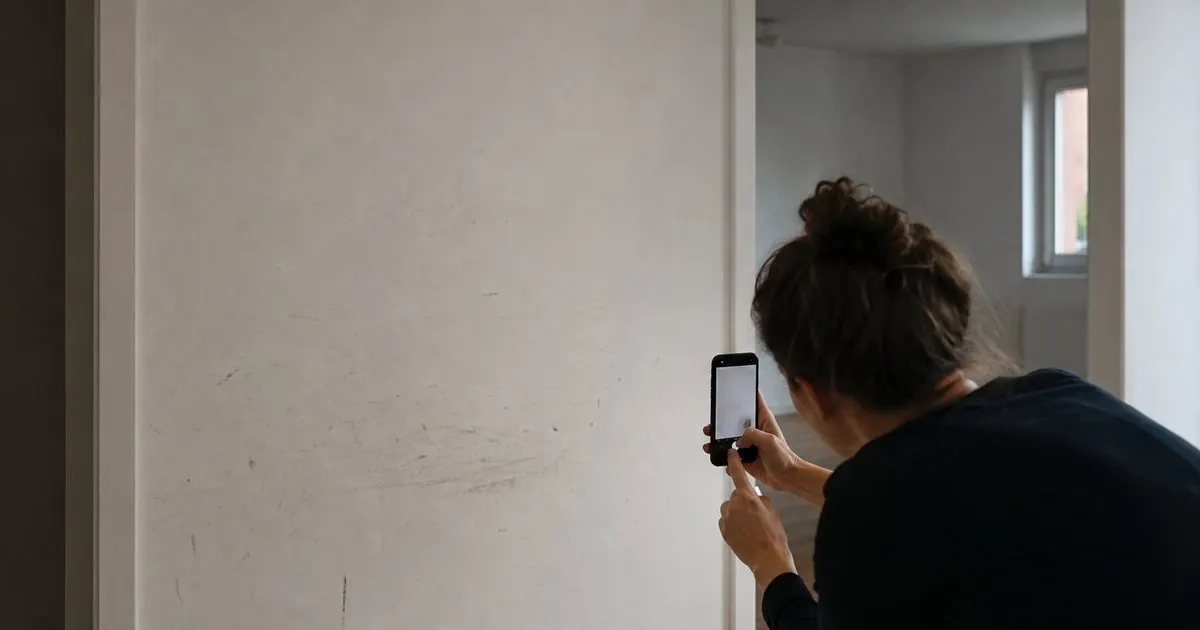
Why do timestamped move-in photos protect landlords during security deposit disputes?
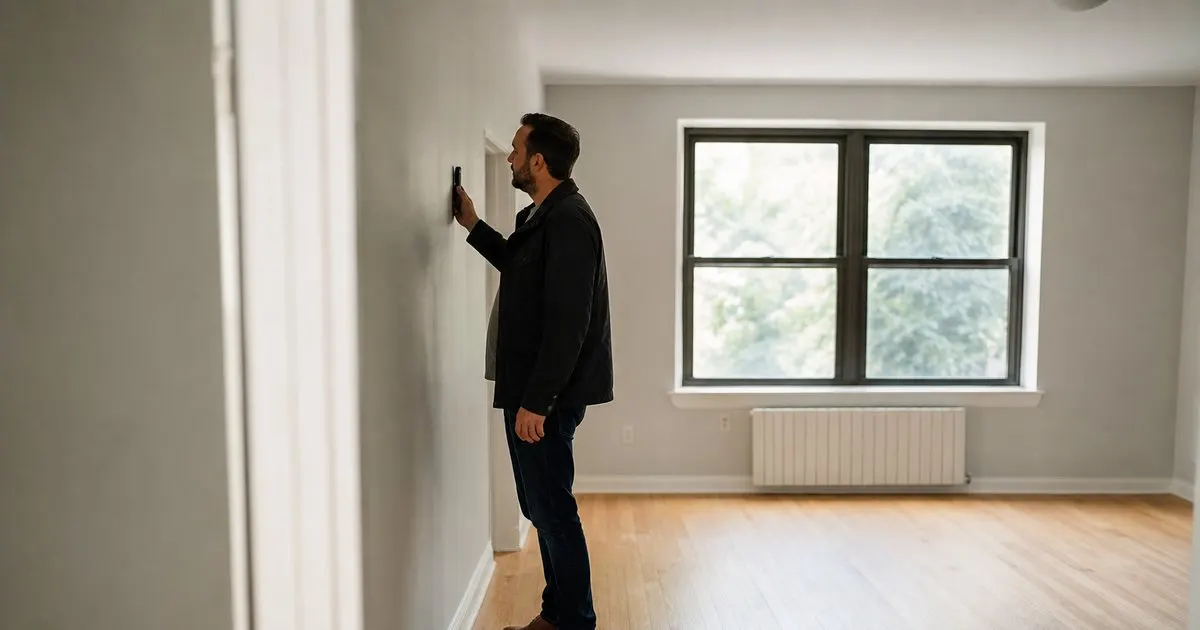
How should landlords document rental condition room by room before a tenant moves in?
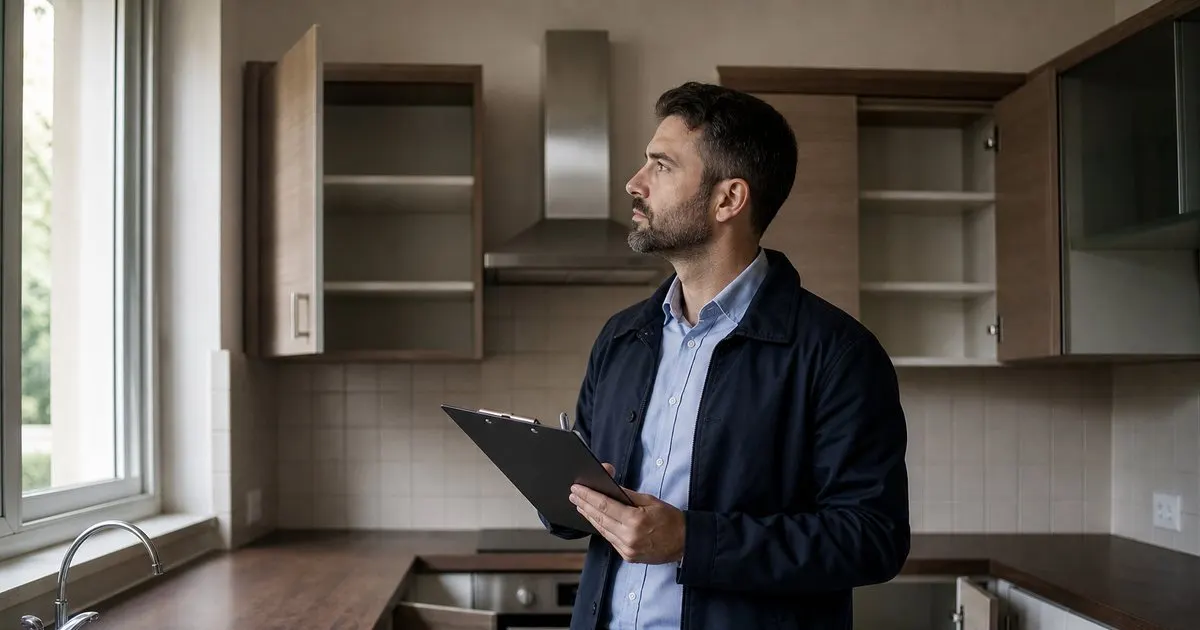
What should a move-out inspection checklist include for a typical rental apartment?
Get the MoveInSnap playbook
Practical guides on move-in and move-out inspections, straight to your inbox as we publish them. No spam, unsubscribe any time.