How do you document yards, garages, and exterior areas during a rental move-in inspection?
Interior checklists are common; exterior ones are not. Lawns, fences, driveways, and garages generate their own deductions, and they need their own photo log.
Why exterior areas need a separate part of the record
Most inspection checklists were written for apartments, so they stop at the front door. Single-family and townhouse rentals come with lawns, beds, fences, gates, driveways, patios, decks, sheds, and garages, and every one of those can be the subject of a deposit deduction: a dead lawn, a gate that no longer latches, oil stains on the driveway, a deck board that rotted, a garage door dented by a bumper. Because the lease usually assigns yard upkeep to the tenant, exterior condition is also the area where "who caused this" gets argued the hardest. Related: Why do timestamped move-in photos protect landlords during security deposit disputes?
Exterior conditions also change with the seasons in ways interior ones do not. A lawn photographed in August looks different from the same lawn in February, and a tenant can reasonably argue that brown grass in winter is not neglect. That means exterior documentation needs more context than interior shots: the date, the season, the weather, and a note about what the tenant is responsible for under the lease. A single photo of the lawn is not enough; a set that shows the whole yard from fixed points, with the date preserved in the metadata, is.
Keep reading: Why do timestamped move-in photos protect landlords during security deposit disputes?, How should landlords document rental condition room by room before a tenant moves in?, What should a move-out inspection checklist include for a typical rental apartment?. See how MoveInSnap helps you move-in and move-out inspection photo logs.
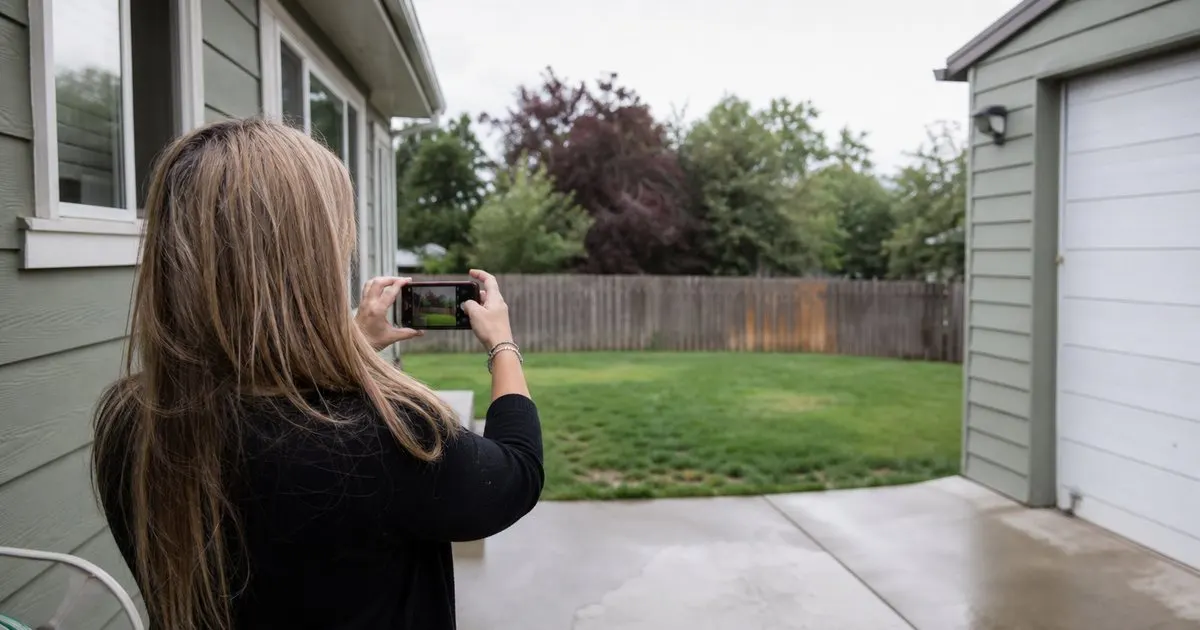
The yard: fixed vantage points and specific features
Pick three or four spots you can return to, such as the back door, the far corner of the fence, and the gate, and shoot the yard from each one at move-in. At move-out, stand in the same places. Then photograph specific features individually: each section of fence, each gate with a close-up of the latch and hinges, every tree and large shrub, the irrigation controller and any visible sprinkler heads, the hose bibs, and any planting beds with a note on what is planted. If the lease requires the tenant to water or mow, record the condition of the lawn and note whether the sprinklers were tested. Related: When is the best time to complete a move-in inspection with your tenant?
Note anything already failing. A leaning fence post, a gate that drags, a bare patch under a tree, and a cracked sprinkler head are all items the tenant should not be charged for later, and photographing them at move-in protects the tenant as much as you. If there is a pool, spa, or pond, document the equipment, the water condition, the safety fencing, and any covers, and be specific in the lease about who maintains them. Related: How should landlords document rental condition room by room before a tenant moves in?
Hardscape and structures: driveways, patios, decks, and sheds
Concrete and asphalt show stains, cracks, and settling that predate any tenant, so shoot the driveway and walkways in full, then close in on existing cracks and stains with a tape measure for scale. Oil stains are a common move-out deduction and a common dispute; a move-in photo of a clean driveway from the same vantage point ends that argument quickly. Photograph patios, including any furniture the landlord provides, and every deck from above and below if you can, paying attention to railings, stairs, and any soft or discolored boards.
Sheds and outbuildings deserve the same treatment as a small room: exterior from each side, door and lock, interior walls, floor, roof underside, and any stored equipment that belongs to the property. Note who holds keys. Exterior lighting, doorbells, house numbers, mailboxes, and trash enclosures are easy to skip and easy to charge for later, so include them in the log even if they look unremarkable on move-in day.
The garage: the room everyone forgets to inspect
A garage is a room with a car in it, and it should be inspected like one. Photograph the door from inside and outside, the opener and its remotes (count them and note the count in writing), the manual release, the tracks, and the weather seal along the bottom. Shoot each wall, the ceiling, and the floor in sections, with close-ups of any oil stains, cracks, or damage from earlier tenants. Document shelving, workbenches, water heaters, electrical panels, and laundry hookups if they live in the garage, and note whether the tenant may store anything against the walls.
Garage floors and walls are where tenants set up workshops, store paint, or park a vehicle that leaks, and the move-out condition can be dramatically different. A clear set of move-in photos, shot in sections with the same framing you will repeat later, makes the comparison straightforward. MoveInSnap includes exterior and garage prompts in its room lists for exactly this reason; the biggest deductions on a house rental often come from the areas an apartment checklist never mentions. Related: What should a move-out inspection checklist include for a typical rental apartment?
- Exterior areas generate their own deductions and their own disputes, so give them their own section of the log.
- Shoot the yard from fixed vantage points you can return to, then photograph fences, gates, trees, and sprinklers individually.
- Document driveways and patios in full with close-ups of existing stains and cracks and a tape measure for scale.
- Inspect the garage like a room: door, opener and remote count, walls, floor, and any stored equipment.

Julien Jimenez
Julien Jimenez is an independent software builder based in Paris. He designs, ships, and operates focused SaaS products for small businesses and independent professionals. Read the full author page.
Prove condition with dated photos
Move-in and move-out inspection photo logs. MoveInSnap is built to help you put this into practice.
Start freeMore from the MoveInSnap blog
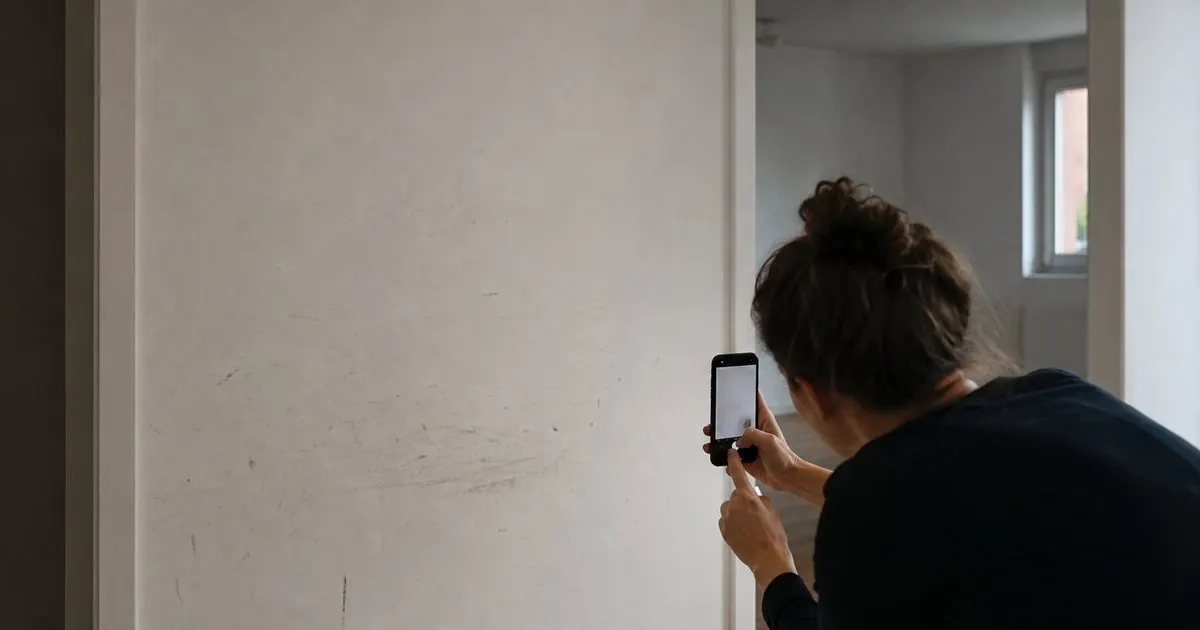
Why do timestamped move-in photos protect landlords during security deposit disputes?
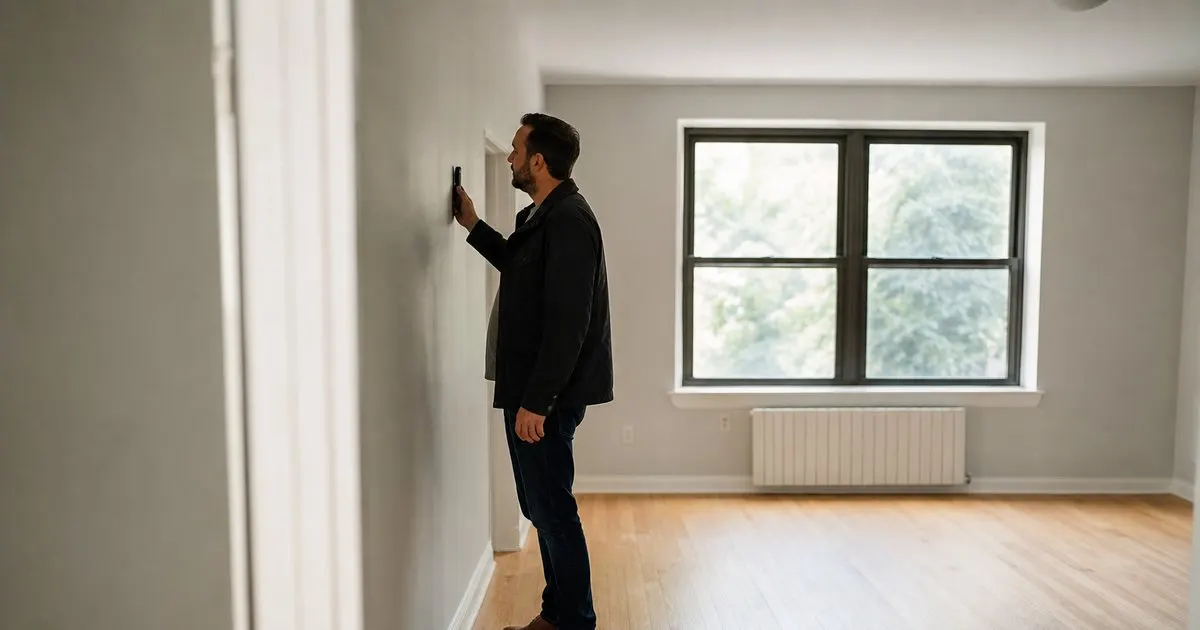
How should landlords document rental condition room by room before a tenant moves in?
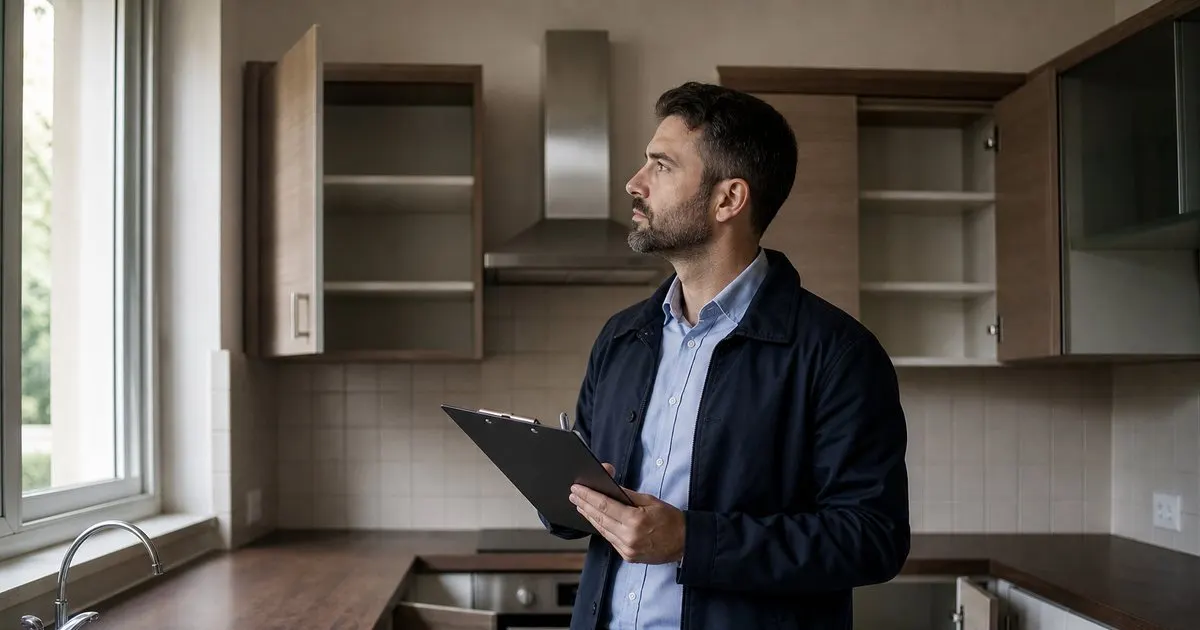
What should a move-out inspection checklist include for a typical rental apartment?
Get the MoveInSnap playbook
Practical guides on move-in and move-out inspections, straight to your inbox as we publish them. No spam, unsubscribe any time.