How do you write an itemized security deposit deduction letter backed by inspection photos?
A vague deduction letter invites a dispute and may violate state law. Here is how to write one that itemizes clearly, cites the photos, and stands up if the tenant challenges it.
What the law generally requires the letter to contain
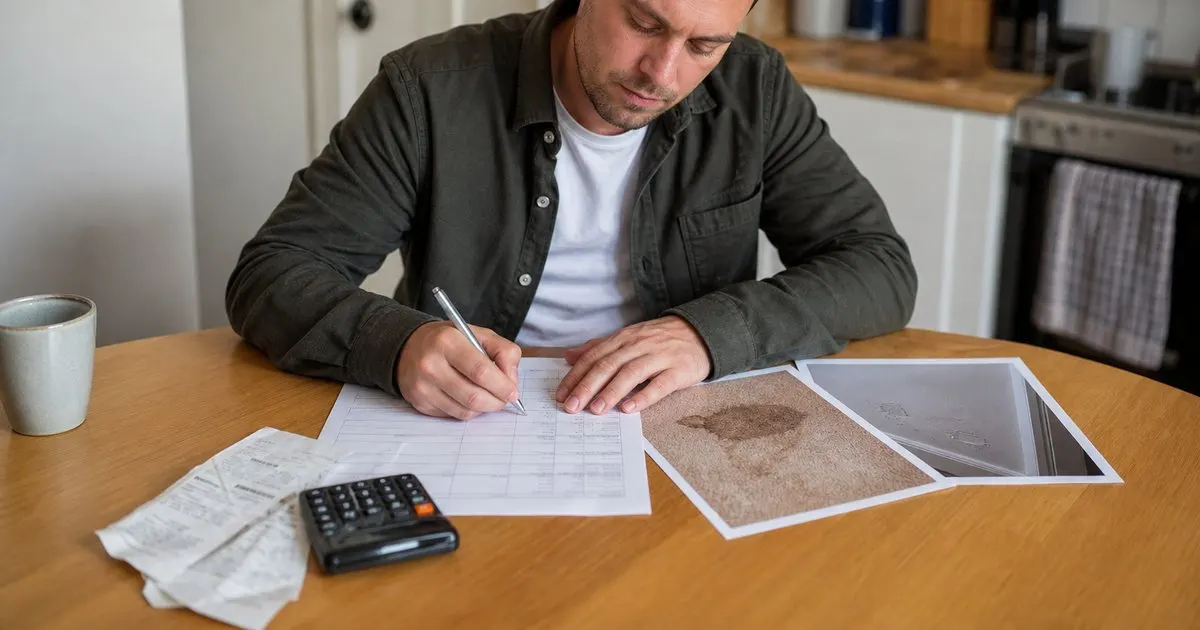
Most states require a landlord who withholds any part of a deposit to send the tenant a written, itemized statement within a set deadline after the tenancy ends, with the balance of the deposit refunded at the same time. Deadlines vary widely by state, commonly somewhere between two weeks and two months, and several states impose penalties, sometimes a multiple of the amount wrongfully withheld, when the landlord misses the deadline or fails to itemize. Some states also require receipts or estimates for repairs above a certain amount, and many require the letter to go to the tenant's forwarding address or last known address by a specific method. Related: When is the best time to complete a move-in inspection with your tenant?
Because the specifics matter, look up your state's statute before drafting and note the deadline on your calendar the day the tenant returns keys. The letter is not the place to be creative. It is a compliance document first and a persuasion document second, and a letter that is late or incomplete can cost you the right to deduct at all, regardless of how bad the damage was. Related: How should landlords document rental condition room by room before a tenant moves in?
Keep reading: Why do timestamped move-in photos protect landlords during security deposit disputes?, How should landlords document rental condition room by room before a tenant moves in?, What should a move-out inspection checklist include for a typical rental apartment?. See how MoveInSnap helps you move-in and move-out inspection photo logs.
Structure: one line per item, one photo pair per line
Open with the basics: property address, tenant names, move-in and move-out dates, deposit amount held, and any interest owed where your state requires it. Then list each deduction on its own line with four elements: the location (master bathroom, vanity door), the condition found (interior water damage, laminate delaminated), the reason it is tenant-caused rather than wear (move-in photo shows intact laminate, move-out photo shows swelling consistent with standing water), and the cost with a reference to the attached receipt or estimate. Close with the arithmetic: deposit held, total deductions, balance refunded, and the check or transfer enclosed. Related: Why do timestamped move-in photos protect landlords during security deposit disputes?
Attach or link the move-in and move-out photos for each item, labeled to match the line. A tenant reading "line 3: bedroom two carpet, pet stain, see photos 3a (move-in) and 3b (move-out)" can check your claim in seconds and has little room to argue. A tenant reading a bare line that says carpet cleaning and an amount, with no photos, has every reason to argue. The photo pair does the persuading, so make it easy to find.
Pricing deductions honestly
Deduct the actual cost to repair or clean, supported by an invoice, or a written estimate if the work is not yet done, and be prepared to explain how you arrived at the number. For items with a limited useful life, such as carpet and paint, many states expect landlords to prorate: a tenant who ruined a carpet near the end of its expected life owes the remaining value, not the replacement cost. Do not charge for your own time at a professional rate unless your state and lease allow it, and do not add markups or administrative fees that the lease does not provide for.
Skip anything you cannot support with a photo pair and a cost document. A single unsupported line item can make a mediator distrust the entire letter, and it hands the tenant an easy win that sours the rest of the negotiation. It is better to send a letter with four solid deductions than one with four solid and two shaky ones. Where the move-in photo is missing for a spot, treat that item as wear and move on, and fix the coverage gap in your next inspection. Related: What should a move-out inspection checklist include for a typical rental apartment?
Tone, delivery, and what to keep
Write plainly and without heat. The tenant is the first reader, but a judge or mediator may be the second, and they will react badly to sarcasm, accusations, or characterizations of the tenant. State what was found, what it cost, and where the evidence is. If normal wear was noted and not charged, say so in a sentence; it shows you applied the standard fairly and it often defuses the tenant's suspicion that everything was charged.
Send the letter by whatever method your state requires and by email as well, and keep proof of mailing and the sent email. Keep the full package together: the letter, every photo referenced with its original file, receipts and estimates, the move-in report, any pre-move-out walkthrough list, and the delivery proof. MoveInSnap generates the side-by-side photo pairs and a draft itemized statement from the move-in and move-out logs, but the judgment about what to charge, and the state-specific deadline, are yours. Meet the deadline, itemize everything, and let the photos carry the argument.
- Check your state's deadline, delivery method, and receipt requirements before writing; missing them can forfeit the deduction.
- List each item with location, condition found, why it is damage rather than wear, and the documented cost.
- Reference a labeled move-in and move-out photo pair for every line item and attach the receipts.
- Prorate items with limited useful life, skip anything you cannot support, and keep the tone neutral.

Julien Jimenez
Julien Jimenez is an independent software builder based in Paris. He designs, ships, and operates focused SaaS products for small businesses and independent professionals. Read the full author page.
Prove condition with dated photos
Move-in and move-out inspection photo logs. MoveInSnap is built to help you put this into practice.
Start freeMore from the MoveInSnap blog
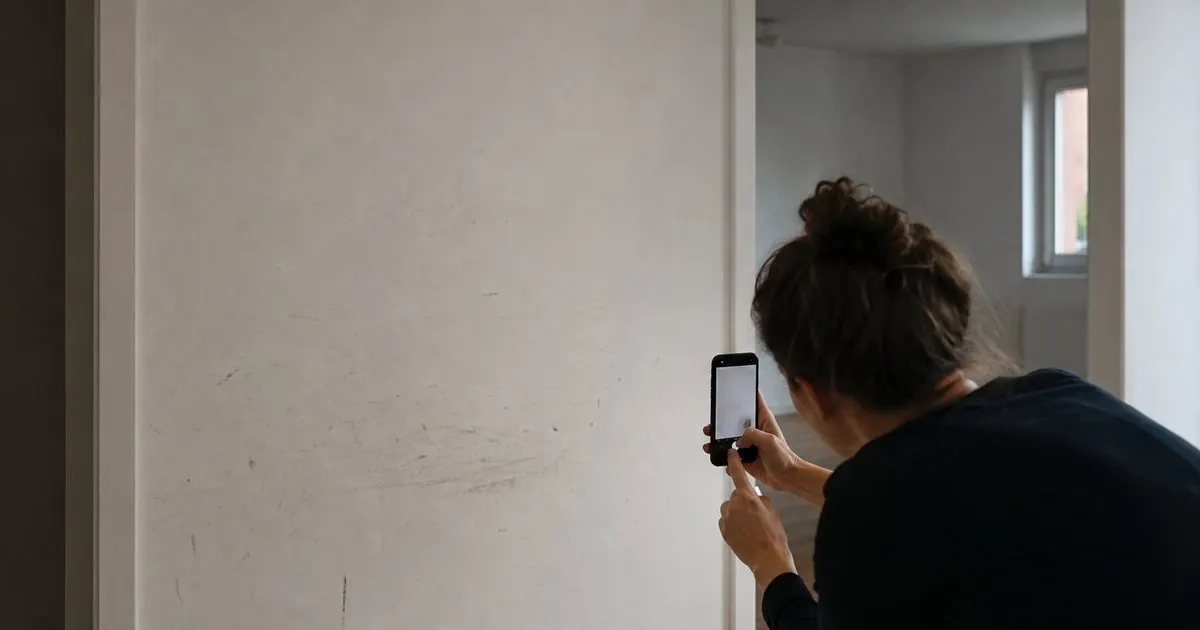
Why do timestamped move-in photos protect landlords during security deposit disputes?
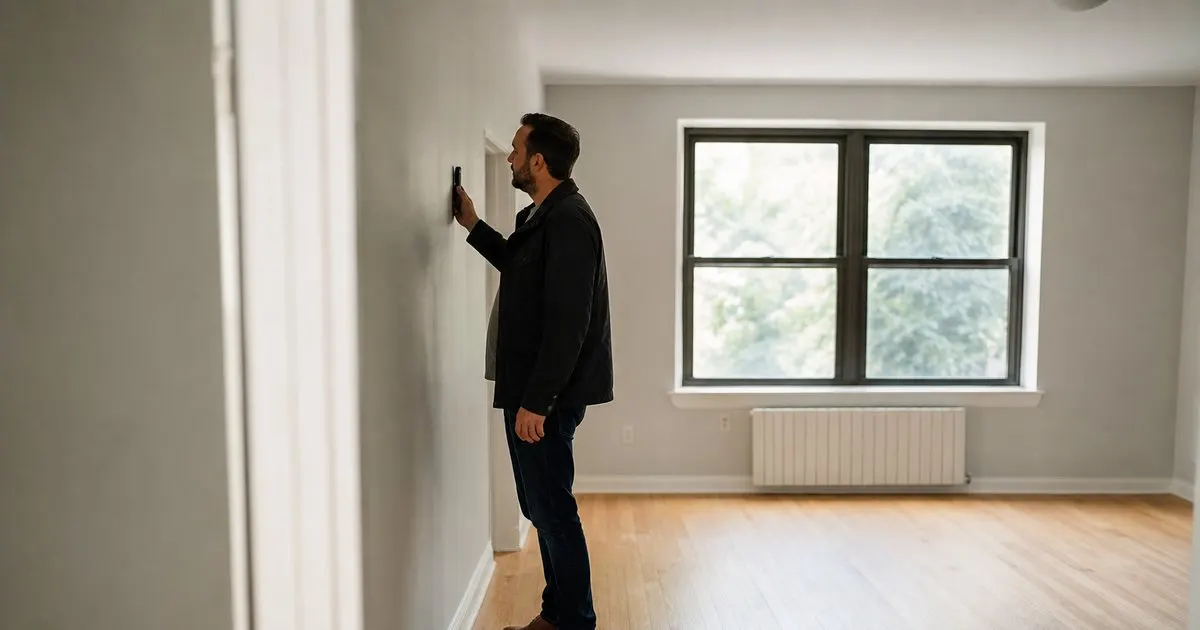
How should landlords document rental condition room by room before a tenant moves in?

What should a move-out inspection checklist include for a typical rental apartment?
Get the MoveInSnap playbook
Practical guides on move-in and move-out inspections, straight to your inbox as we publish them. No spam, unsubscribe any time.