What should a landlord do when they inherit tenants with no move-in inspection on record?
Buying an occupied rental means taking on the lease and the deposit liability without any of the condition evidence. Here is how to build a defensible baseline after the tenancy has already started.

Why an occupied purchase leaves you without a baseline
When you close on a property with tenants already living in it, you inherit the leases and the deposit liability, but you almost never inherit usable condition evidence. The previous owner might hand over a signed checklist, a folder of dim prints, or nothing at all. Even when something exists, it was created for someone else's tenancy and someone else's dispute, often without dates, often without the tenant's signature, and usually without the wide plus close-up photo pairs that make a record worth anything two years later.
The gap does not hurt on day one. It hurts at move-out, when a tenant who has lived there four years under two owners points at every scuff and says it was already there. Without a dated record you cannot contradict them, and the landlord who wants to keep deposit money is generally the party who has to justify the deduction. A missing baseline usually means the charge does not survive a challenge, so the practical cost of the gap is measured in absorbed repairs, not in paperwork. Related: When is the best time to complete a move-in inspection with your tenant?
Keep reading: Why do timestamped move-in photos protect landlords during security deposit disputes?, How should landlords document rental condition room by room before a tenant moves in?, What should a move-out inspection checklist include for a typical rental apartment?. See how MoveInSnap helps you move-in and move-out inspection photo logs.
Collect whatever record already exists before the file goes cold
Ask the seller, in writing and ideally before closing, for every condition document tied to each unit: signed move-in checklists, inspection photos, maintenance tickets, and invoices for repairs and replacements. Repair invoices are quietly the most valuable item in the pile, because they date a component. An invoice showing when a carpet or a water heater was installed tells you the item's age, and age is what decides whether a future deduction is fair or an attempt to bill a tenant for something that was already near the end of its life. Related: Why do timestamped move-in photos protect landlords during security deposit disputes?
Get the deposit amounts and the dates they were collected in writing too, since that obligation transfers to you along with the building. If the seller has nothing, record that fact in your own file with the date you asked and who you asked. Later, an honest line stating that no prior documentation existed at acquisition and that a condition survey was completed on a specific date reads far better than a reconstructed timeline a tenant can pick apart question by question.
Run a dated condition survey in your first weeks of ownership
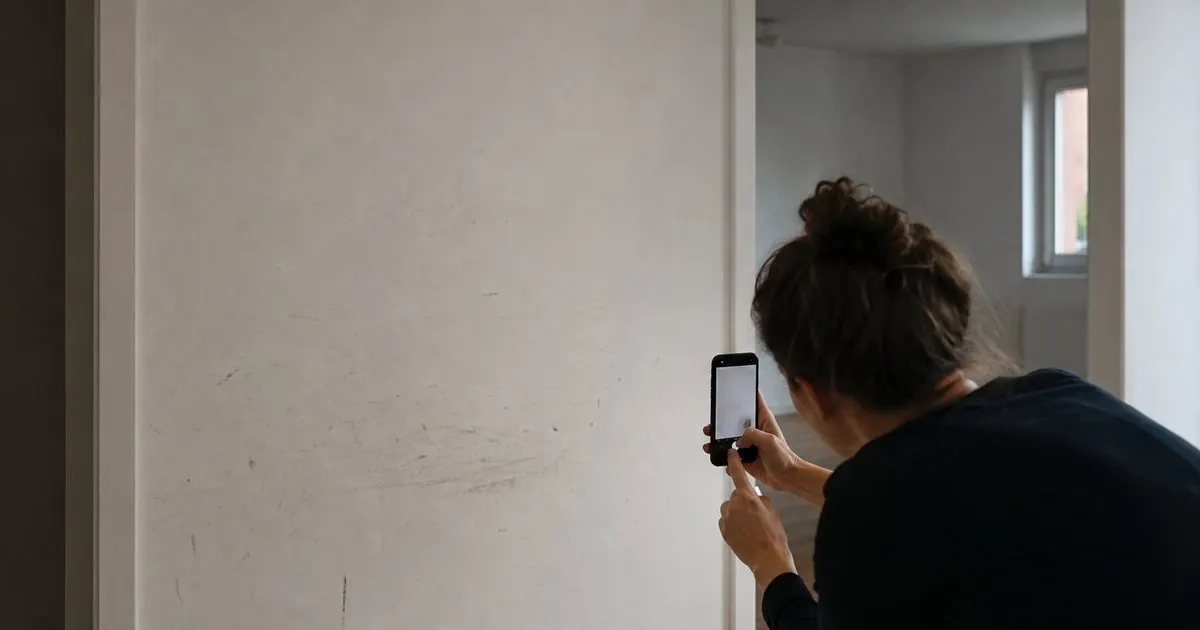
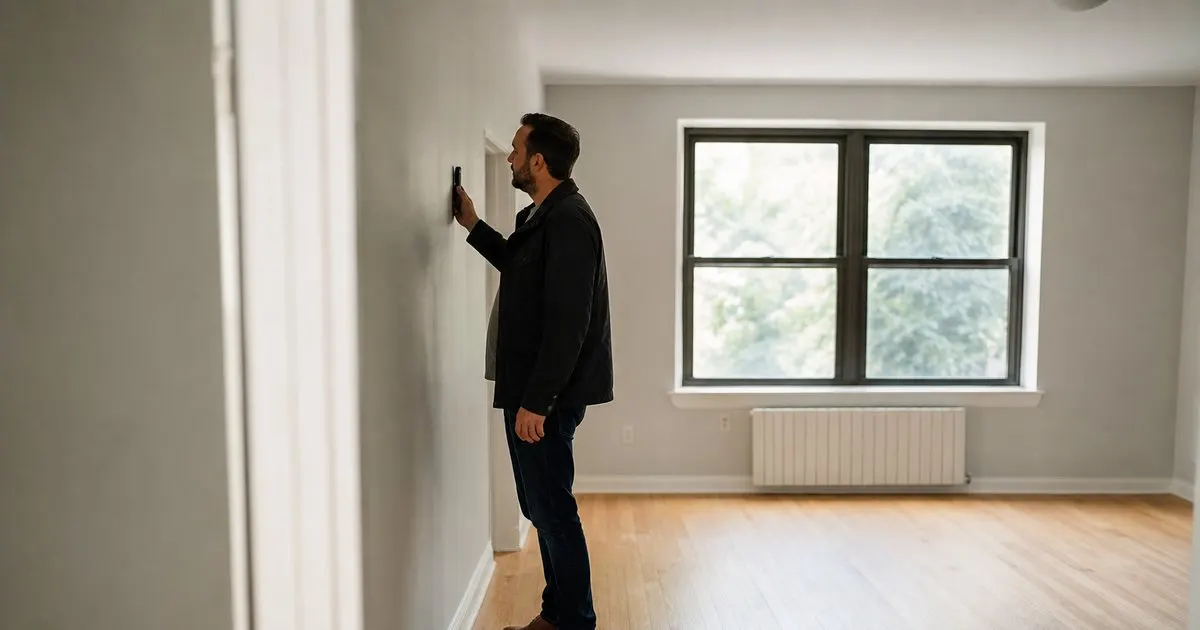
You cannot create a move-in baseline retroactively, but you can create an ownership baseline, and it beats nothing by a wide margin. Send each tenant a friendly notice that follows your state's entry rules (written notice of roughly 24 to 48 hours is typical), explain that the new owner is documenting current condition for maintenance planning, and then walk every room with a camera. Shoot it the way you would a move-in: a wide frame of each wall and the floor, then close-ups of anything already damaged, with the date captured automatically rather than written on afterward. Related: How should landlords document rental condition room by room before a tenant moves in?
Framing matters more than technique here. This is not an inspection to blame the tenant for anything, and saying so plainly gets you far better cooperation than a formal notice with legal language. Give the tenant a copy of the photos and a simple form for adding notes about problems they want repaired. That exchange turns a one-sided survey into a two-sided record. If a tenant confirms in writing that the hallway stain existed in the first month of your ownership, you will not be arguing about it three years later, and everything after that date is on the clock.
How to handle move-out when your record starts mid-tenancy
At move-out, compare against your survey date rather than the lease start, and say so plainly in the itemized statement. Write that condition was documented on a specific date and that the listed damage appeared after it. Deduct only for changes you can show between your own two sets of photos. Anything visible in the acquisition survey is not chargeable no matter how bad it looks, because you accepted the unit in that condition when you bought it, and trying to claim it anyway is the fastest way to lose credibility on the items you can actually prove.
For wear items with no clear origin, depreciation does the heavy lifting. If a seller's invoice documents when a carpet was installed, prorating a replacement across a typical useful life produces a number you can defend, while charging full replacement cost for an old carpet does not. Where the record is genuinely ambiguous, it is usually cheaper to absorb the item, return the deposit inside your state's deadline (commonly somewhere between two weeks and a month), and then run a proper move-in inspection with the next tenant so the gap never repeats. Related: What should a move-out inspection checklist include for a typical rental apartment?
- Buying an occupied building transfers the lease and the deposit liability, but rarely any usable condition evidence.
- Ask the seller in writing for checklists, photos, maintenance tickets, repair invoices, and deposit records, and note it if nothing exists.
- Give proper entry notice and photograph every unit in your first weeks to create a dated ownership baseline.
- Deduct only for changes between your own dated photo sets, and price wear items with depreciation rather than full replacement cost.

Julien Jimenez
Julien Jimenez is an independent software builder based in Paris. He designs, ships, and operates focused SaaS products for small businesses and independent professionals. Read the full author page.
Prove condition with dated photos
Move-in and move-out inspection photo logs. MoveInSnap is built to help you put this into practice.
Start freeMore from the MoveInSnap blog
Why do timestamped move-in photos protect landlords during security deposit disputes?
How should landlords document rental condition room by room before a tenant moves in?

What should a move-out inspection checklist include for a typical rental apartment?
Get the MoveInSnap playbook
Practical guides on move-in and move-out inspections, straight to your inbox as we publish them. No spam, unsubscribe any time.