How do you document rental problems that photos cannot capture, like odors, moisture, and failing appliances?
Cameras are excellent at edges and stains and nearly useless for smell, moisture, and failing appliances. These are the records that make invisible damage provable at move-out.
The problems a camera quietly misses
A photo library is strong evidence for anything with an edge: a gouge, a burn, a cracked tile, a stained countertop. It is close to useless for the four categories that produce the most expensive turnovers. Odor comes first, because smoke and pet urine soak into drywall, carpet pad, and subfloor and often need sealing or replacement rather than cleaning. Moisture is second, since a soft spot under vinyl or a damp cabinet base exists long before a visible mark appears. Function is third, meaning the refrigerator that runs but does not cool. Pests are fourth, usually visible only as ambiguous specks in a cabinet corner.
None of these are undocumentable. They simply need a different kind of record. A photograph captures appearance at a moment. Odor, moisture, function, and pest activity need a description, a measurement, or a second observer, and they need it recorded on the day you noticed it rather than reconstructed at move-out, when your memory and the tenant's memory have quietly drifted in opposite directions and neither of you is lying. Related: When is the best time to complete a move-in inspection with your tenant?
Keep reading: Why do timestamped move-in photos protect landlords during security deposit disputes?, How should landlords document rental condition room by room before a tenant moves in?, What should a move-out inspection checklist include for a typical rental apartment?. See how MoveInSnap helps you move-in and move-out inspection photo logs.
Write the sensory note while you are still standing in the room
The cheapest habit with the biggest payoff is a short written note attached to a photo of the exact spot. Photograph the closet floor, then record what your nose or your hand actually registered: a strong ammonia odor at the closet threshold, carpet damp to the touch, noticed on this date. Describe instead of concluding. A note saying the smell was strongest near the north wall is something you can stand behind under questioning. A note saying the tenant's cat ruined the carpet is an argument, and arguments read badly next to evidence.
Do this at both ends of the tenancy, and be equally diligent at move-in. A note recording that the second bedroom smelled faintly of smoke on the day the tenant took possession is exactly why you will not be charging that tenant for it later, and it protects you from the claim that you tried. When your inspection tool lets you attach a note to an individual photo, use that rather than a separate document, because a note that travels with the image is much harder to dispute than a page of text that could have been typed at any time. Related: Why do timestamped move-in photos protect landlords during security deposit disputes?
Turn invisible problems into numbers and outside observations
A description gains weight when a number sits beside it. An inexpensive pin-type moisture meter turns a floor that felt soft into a reading taken at a named spot, and taking a second reading on a nearby area you know is dry gives the first one context. Photograph the meter in position against the surface so the number and the location live in the same frame. A basic thermometer left inside a refrigerator does the same job for an appliance that runs but no longer cools. None of this requires expertise beyond following the device instructions.
For anything expensive, bring in someone whose job is to look at it. An HVAC technician, a plumber, or a restoration contractor produces a written report or an itemized invoice describing what they found, and that document is dated and written by a person with no stake in your deposit accounting. When you suspect smoke or pet contamination severe enough to require sealing or replacement, an assessment obtained before the work starts is usually worth more at move-out than the receipt for the work itself, because it describes the condition rather than just the charge. Related: How should landlords document rental condition room by room before a tenant moves in?
How to charge for odor and moisture without losing the argument
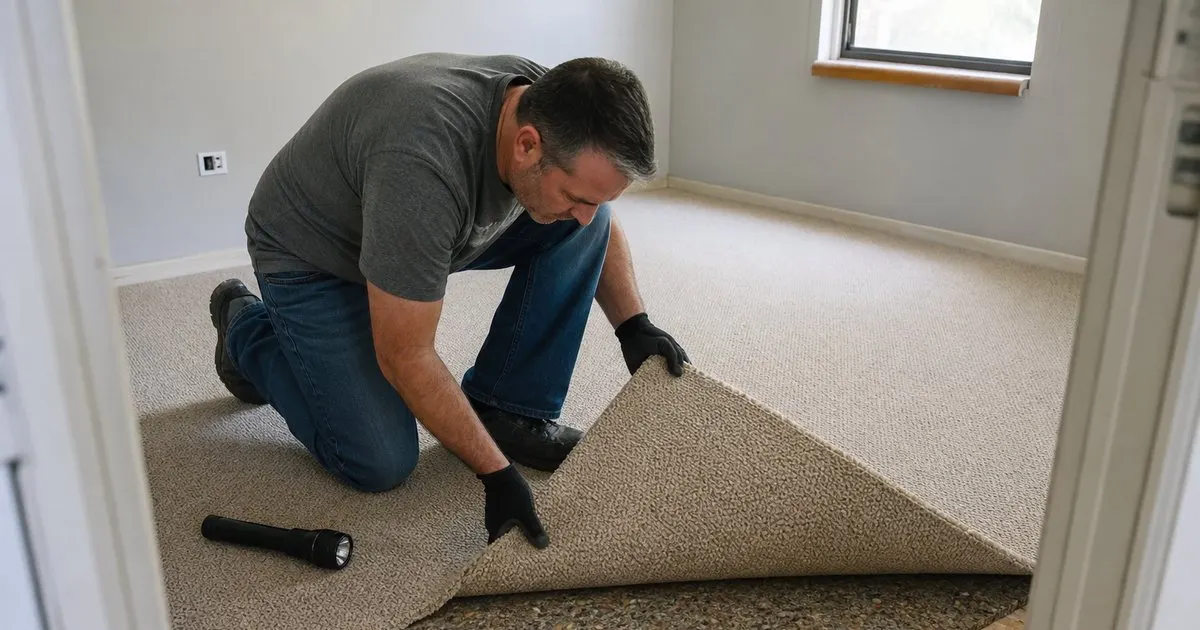
The winning move is to photograph the source instead of the symptom. Pet urine fluoresces under a UV light in a darkened room, so an image of a glowing patch on carpet pad says more than three paragraphs about smell. Pull back a carpet corner and shoot the stained pad and the subfloor underneath. For smoke, wipe a small square of a wall or ceiling with a clean white cloth and photograph the cloth next to the untouched surface. These techniques are quick, cost almost nothing, and make an invisible problem visible in a single frame.
Then let the vendor invoice carry the explanation. Ask cleaners and contractors to state in writing what condition required the work, not only what they charged, because a line describing sealed subfloor and replaced carpet pad due to urine saturation in two bedrooms makes your case for you. Pair that with your dated move-in note showing those rooms had no odor at the start, apply normal depreciation to anything with a useful life, and the deduction becomes a documented sequence rather than an assertion the tenant can simply deny. Related: Which rooms cause the most deposit disputes during rental move-out inspections?
- Photos handle visible damage well and miss odor, moisture, appliance function, and pests almost entirely.
- Attach a short factual sensory note to a photo of the exact spot, written the day you notice it.
- Convert impressions into numbers with a moisture meter or thermometer, and into dated reports for anything expensive.
- At move-out, photograph the source with a UV light or a white cloth wipe test, and ask vendors to describe the condition on the invoice.

Julien Jimenez
Julien Jimenez is an independent software builder based in Paris. He designs, ships, and operates focused SaaS products for small businesses and independent professionals. Read the full author page.
Prove condition with dated photos
Move-in and move-out inspection photo logs. MoveInSnap is built to help you put this into practice.
Start freeMore from the MoveInSnap blog
Why do timestamped move-in photos protect landlords during security deposit disputes?
How should landlords document rental condition room by room before a tenant moves in?
What should a move-out inspection checklist include for a typical rental apartment?
Get the MoveInSnap playbook
Practical guides on move-in and move-out inspections, straight to your inbox as we publish them. No spam, unsubscribe any time.