Which rooms cause the most deposit disputes during rental move-out inspections?
A few high-wear spaces account for a large share of deposit disagreements.
Kitchens lead, with grease, appliances, and countertops generating frequent, higher-value disagreements. Bathrooms follow because moisture, grout, and mildew blur responsibility. Walls throughout the unit sit on the line between wear and damage, and flooring or carpet disputes often carry the highest stakes. This is general information, and rules vary by state.
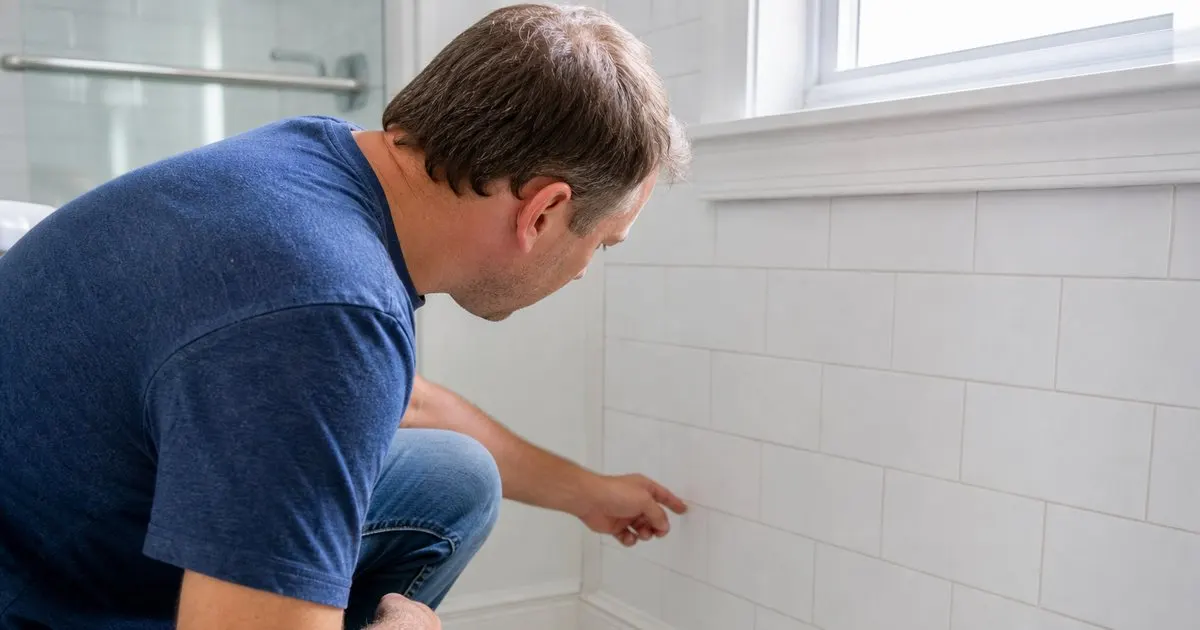
Kitchens top the list
Kitchens see heavy daily use, so they generate frequent disputes. Grease on cabinets, burned stovetops, and damaged counters are common flashpoints.
Appliances add complexity. A refrigerator or range that shows wear can spark disagreement over whether the tenant caused the damage or it simply aged. Related: What is the difference between normal wear and tenant-caused damage in rentals?
Keep reading: Why do timestamped move-in photos protect landlords during security deposit disputes?, How should landlords document rental condition room by room before a tenant moves in?, What should a move-out inspection checklist include for a typical rental apartment?. See how MoveInSnap helps you move-in and move-out inspection photo logs.
Bathrooms and moisture
Bathrooms are a close second because water is relentless. Mold, cracked grout, stained caulk, and damaged flooring often trigger deductions.
Some of this is preventable with ventilation, and some is ordinary wear. Clear before-and-after photos help sort which is which.
Walls throughout the unit
Walls cause disputes in every room. Nail holes, scuffs, crayon marks, and unapproved paint colors are frequent points of contention.
The line between wear and damage is blurriest here. A few small nail holes are usually normal, while dozens of anchors or a bold repaint may not be.
Flooring and carpets
Carpets and hard floors take a beating. Stains, burns, gouges, and pet damage often lead to the largest single deductions.
Because flooring is costly to replace, disputes here carry high stakes. Strong documentation is especially valuable. Remember that deposit rules vary by state, so this is general guidance, not legal advice. Related: Why do timestamped move-in photos protect landlords during security deposit disputes?
- Kitchens generate frequent, high-value disputes
- Bathroom moisture damage is a common flashpoint
- Walls blur the line between wear and damage
- Flooring disputes carry the highest stakes

Julien Jimenez
Julien Jimenez is an independent software builder based in Paris. He designs, ships, and operates focused SaaS products for small businesses and independent professionals. Read the full author page.
Frequently asked questions
Why do kitchens generate so many deposit disputes?
Kitchens combine heavy daily use with expensive surfaces and appliances. Grease, stains, and appliance wear are common and costly, which makes disagreements about who is responsible frequent.
How can landlords reduce disputes in these high-wear rooms?
Document these spaces in extra detail at move-in and move-out, with close-up photos of counters, floors, grout, and appliances. A strong baseline makes real changes clear and hard to contest.
Prove condition with dated photos
Move-in and move-out inspection photo logs. MoveInSnap is built to help you put this into practice.
Start freeMore from the MoveInSnap blog
Why do timestamped move-in photos protect landlords during security deposit disputes?
How should landlords document rental condition room by room before a tenant moves in?
What should a move-out inspection checklist include for a typical rental apartment?
Get the MoveInSnap playbook
Practical guides on move-in and move-out inspections, straight to your inbox as we publish them. No spam, unsubscribe any time.